Source Hair Care Guar Hydroxypropyltrimonium Chloride for Shampoos
Find and compare 30 listings for hair care guar hydroxypropyltrimonium chloride from China. Evaluate specifications like 99% purity, MSDS certification, and 25kg drum packaging to identify suitable cosmetic raw materials for personal care formulations.
Key considerations
Products List








Comprehensive Sourcing Guide
Hair Care Guar Hydroxypropyltrimonium Chloride Sourcing Guide
Procuring Guar Hydroxypropyltrimonium Chloride for hair care formulations requires a disciplined approach to verifying raw material consistency, as this cationic polymer serves as a critical conditioning agent. Buyers must recognize that while the core chemical identity remains constant, the physical presentation and purity levels can vary significantly between suppliers, directly impacting the final product's viscosity and feel. The observed market data indicates a wide range of product models, from Hony G-14T to SC004, suggesting that procurement strategies must be tailored to specific formulation needs rather than relying on a single generic specification.
The sourcing landscape for this ingredient is characterized by diverse packaging options and origin points, primarily centered in China with specific hubs in Shandong and Xi'an. A buyer's initial decision involves determining whether to source from a manufacturer offering standard substances or one providing customized solutions, as the availability of customization can influence lead times and minimum order quantities. Understanding these baseline variations is essential before engaging with suppliers, ensuring that the selected partner can meet the specific technical and logistical requirements of the hair care production line.
Product Scope and Observed Listing Signals
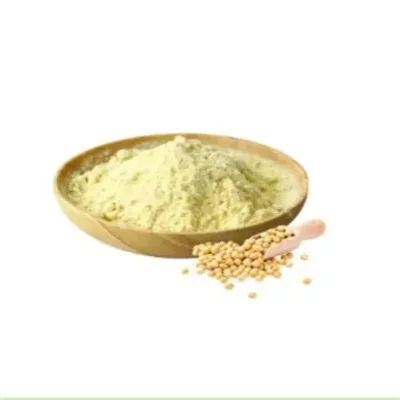
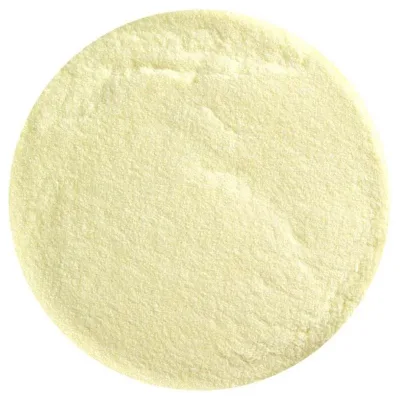
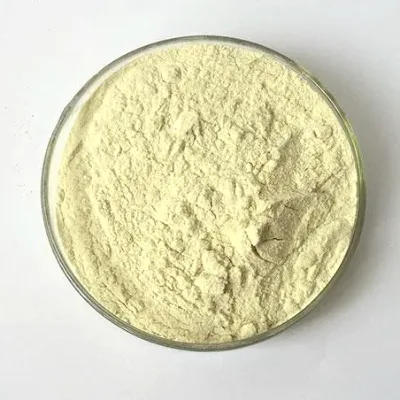
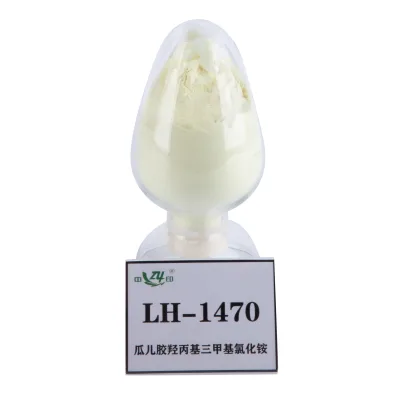
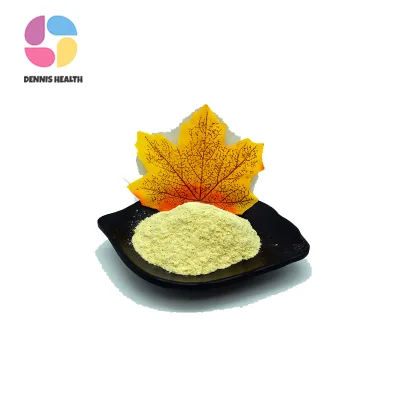
The product scope for Guar Hydroxypropyltrimonium Chloride in the current market spans from standard substances to specialized grades tailored for personal care and detergent applications. Listings frequently highlight the material's appearance as a light yellow powder, though some entries simply denote it as a powder without color specification, requiring buyers to request physical samples to confirm the visual characteristics match their quality standards. The observed usage categories confirm its primary role in hair care chemicals, but the data also notes applications in health care products and general cosmetic raw materials, indicating a versatile utility that buyers should leverage for multi-purpose sourcing strategies.
Commercial signals in the listings reveal a broad spectrum of packaging and logistical capabilities, ranging from 25kg drums to 1kg bags, with pallet loading capacities observed up to 450kg. Buyers must carefully evaluate the "Single Gross Weight" and "Single Package Size" details, as these factors directly influence shipping costs and warehouse handling efficiency. The presence of various model numbers, such as Hony C-14S and SCM-2513, alongside different purity claims like 99% or active substance content greater than 90%, suggests that the market offers multiple tiers of quality, necessitating a clear definition of the required grade before initiating negotiations.
Technical Specifications to Verify
Verification of the molecular formula and chemical identity is the first critical step in the technical evaluation process, as the supplied data lists the molecular formula as C6h16no2.Xcl.Xunspecified and the CAS number as 65497-29-2. Buyers should insist on a Certificate of Analysis (CoA) that explicitly confirms these identifiers to prevent the receipt of adulterated or mislabeled materials, which could disrupt the stability of hair care formulations. The distinction between different model numbers, such as Hony G-14S versus Hony G-14T, likely corresponds to variations in molecular weight or degree of substitution, parameters that are invisible on a standard label but vital for performance.
Beyond identity, the physical and chemical performance metrics must be rigorously checked against the buyer's internal specifications. The observed data mentions a purity of 99% and an active substance content of greater than 90%, yet these figures are not universal across all listings and should be treated as observations rather than guaranteed standards for every supplier. Procurement teams must verify the specific content of active substances and the exact appearance, such as the light yellow powder description, to ensure the material will deliver the desired conditioning effects without introducing unwanted color or viscosity issues into the final hair care product.
Compliance and Safety Documentation
Safety documentation is non-negotiable when sourcing chemical raw materials for personal care, and the presence of an MSDS (Material Safety Data Sheet) is a baseline requirement observed in the current market listings. Buyers must ensure that the MSDS provided by the supplier is current and corresponds exactly to the specific model number and batch being purchased, as safety data can vary based on the specific synthesis method or impurity profile of the chemical. The classification of the product as a "Standard Substance" implies a certain level of regulatory familiarity, but this does not exempt the buyer from verifying that the documentation meets the specific regulatory requirements of their target market.
Storage and handling protocols are equally critical components of the compliance framework, with observed recommendations ranging from "Normal" storage to specific instructions for "Cool and dry place" environments. The shelf life of two years noted in some listings serves as a reference point, but buyers must confirm the actual expiration date on the specific batch to manage inventory effectively and prevent degradation. Additionally, the transport method, identified as an ordinary goods truck, requires verification that the supplier's logistics partners adhere to safety regulations for transporting chemical substances, ensuring that the material arrives in the condition specified in the safety documentation.
Cost Drivers and Commercial Terms
The cost structure for Guar Hydroxypropyltrimonium Chloride is influenced by a complex interplay of purity levels, packaging formats, and the scale of the order, with observed minimum order quantities (MOQ) ranging from 1kg to 10,000 units. Buyers should analyze the price per kilogram relative to the active substance content, as a lower price for a product with 90% active content may be less economical than a higher-priced product with 99% purity if the latter reduces the need for additional processing or formulation adjustments. The availability of samples, noted as "Avaliable" in the data, allows buyers to conduct small-scale trials before committing to larger volumes, mitigating the financial risk associated with bulk procurement.
Commercial terms extend beyond the unit price to include supply ability and lead time, with observed supply capabilities listed as 500 kilograms per month for some suppliers. This capacity constraint is a significant factor for buyers planning large-scale production runs, as it may necessitate a multi-supplier strategy or advance planning to ensure continuous supply. The flexibility of packaging, with options like 25kg bags, 25kg drums, and 1kg bags, also impacts the total landed cost, as smaller packaging units often incur higher per-unit shipping and handling fees compared to bulk drum shipments.
Supplier Qualification and Quality Control
Supplier qualification should begin with a thorough review of the production origin and resource type, as the data indicates a primary origin in China with resources derived from chemosynthesis. Buyers must verify the specific location, such as Shandong or Xi'an, to assess the logistical proximity and the supplier's reputation within that regional industrial cluster. The presence of OEM/ODM services, which are welcomed by several suppliers, suggests that some manufacturers are capable of customizing the product to specific buyer requirements, a capability that should be validated through a site audit or a detailed review of their quality management systems.
Quality control processes must be explicitly defined in the procurement agreement, focusing on the consistency of the product standard and the reliability of the testing results. While the data lists standards such as "Guar Hydroxypropyltrimonium Chloride powder" and "99%", these are generic descriptors that do not guarantee a specific batch's quality without independent verification. Buyers should require pre-shipment inspection reports and establish clear acceptance criteria for parameters like appearance, purity, and active substance content to ensure that every delivered batch meets the rigorous standards required for high-quality hair care formulations.
Long-Term Procurement Checks
Establishing a long-term procurement strategy requires regular re-evaluation of supplier performance against the initial technical and compliance benchmarks. Buyers should implement a schedule for periodic re-testing of incoming batches to ensure that the product standard remains consistent over time, as variations in the synthesis process or raw material sources can lead to drift in product quality. The observed shelf life of two years necessitates a robust inventory management system that prioritizes the rotation of stock to prevent the use of aged materials that may have degraded, potentially compromising the efficacy of the final hair care products.
Sustainability and supply chain resilience are also critical considerations for long-term success, particularly given the reliance on chemosynthesis and specific geographic origins. Buyers should monitor the supplier's ability to maintain their supply ability of 500 kilograms per month or higher during periods of market volatility and ensure that their transportation methods remain compliant with evolving environmental and safety regulations. By maintaining a proactive relationship with suppliers and continuously verifying that the product attributes align with the original specifications, buyers can secure a stable supply of high-quality Guar Hydroxypropyltrimonium Chloride for their hair care operations.
FAQs
What is the CAS number for hair care guar hydroxypropyltrimonium chloride?
The CAS number is 65497-29-2. This identifier confirms the chemical structure for regulatory compliance. It is essential for verifying material safety data sheets and ensuring accurate inventory tracking in cosmetic formulations.
How is hair care guar hydroxypropyltrimonium chloride typically packaged?
It is commonly packaged in 25kg cardboard drums or bags. Some suppliers offer 1kg bags for sampling. The standard drum packing ensures safe transport and storage while maintaining product integrity for industrial and commercial applications.
Can I request customization for hair care guar hydroxypropyltrimonium chloride orders?
Yes, customization is available for many suppliers. Buyers can often request specific packaging sizes or private labeling. This flexibility supports OEM and ODM requirements, allowing brands to tailor products to their specific market needs and branding strategies.
What is the purity level of hair care guar hydroxypropyltrimonium chloride?
The purity is typically 99%. The active substance content is often greater than 90%. This high purity ensures effective performance in hair care formulations, providing consistent conditioning and anti-static properties for professional and consumer products.
Where is hair care guar hydroxypropyltrimonium chloride usually manufactured?
It is primarily manufactured in China, with origins in regions like Shandong and Xi'an. These locations are established hubs for chemical production, offering reliable supply chains and competitive logistics for international buyers sourcing raw materials.
What certifications are available for hair care guar hydroxypropyltrimonium chloride?
MSDS certification is commonly provided. This document details safety handling and storage requirements. It is crucial for regulatory compliance in international trade and ensures that users can safely manage the material in manufacturing environments.